
Для обеспечения долговечности следуйте этим правилам: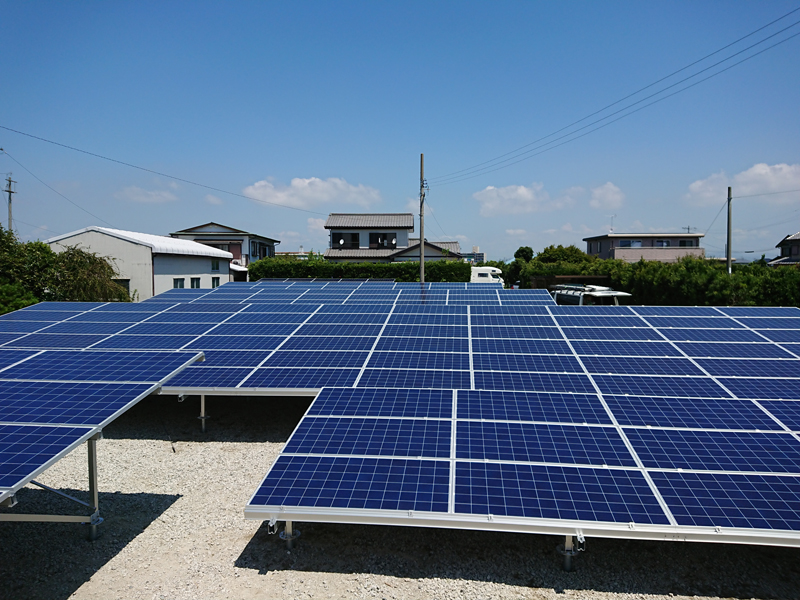
Прочность алюминия ниже, чем у стали (примерно 70% от предела текучести стали). Поэтому конструкция должна быть...
Никогда не используйте болты из оцинкованной углеродистой стали, которые крепятся непосредственно к алюминию.Управление крутящим моментом:
Резьба на алюминиевых нитях легко срывается. Всегда используйте...динамометрический ключ
и следуйте спецификациям производителя (обычно 8–12 Н·м для болтов M8/M10). Чрезмерное затягивание приводит к растрескиванию оксидного слоя и может вызвать заклинивание болта.
Несмотря на то, что алюминий проводит электричество, электротехнические нормы требуют наличия специального... | Заземляющий наконечник, сертифицированный UL. | припаян к рельсу, соединен с медным проводом, который, в свою очередь, подключен к основному заземляющему стержню. |
|---|---|---|
Когда следует выбирать алюминий, а когда сталь? | Сценарий проекта | Рекомендуемый материалПричина |
Ферма мощностью 5 МВт в пустыне Аризоны | Горячеоцинкованная сталь | Сталь дешевле при больших объемах производства; ветровые нагрузки чрезвычайно высоки. |
Ферма мощностью 200 кВт расположена в 500 метрах от океана. | Алюминий | Солевые туманы разрушат оцинкованную сталь менее чем за 5 лет. |
Навес для автомобиля на крыше (на крыше склада) | Алюминий | Ограничения по весу крыши имеют решающее значение; алюминий легче. |
Агрофотовольтаика (панели под сельскохозяйственными культурами/животноводством) | Алюминий | Аммиак из удобрений/навоза обладает высокой коррозионной активностью по отношению к цинку.Удаленное местоположение, доступ с краном отсутствует.АлюминийВ логистике с использованием вертолетов и тележек предпочтение отдается легким материалам. |
Суммируя: | Выбирайте алюминий из-за его коррозионной стойкости, веса и скорости. Выбирайте сталь для максимальной длины пролета. | и минимальная себестоимость сырья. bolts, nuts, and washers (to prevent galvanic corrosion). |
Why Choose Aluminum Over Galvanized Steel? (The Core Advantages)
1. Superior Corrosion Resistance (The #1 Reason)
vs. Steel: Galvanized steel relies on a zinc coating. If that coating is damaged during installation (e.g., a dropped drill bit chips the zinc), the steel beneath will rust aggressively, especially in coastal or industrial zones.
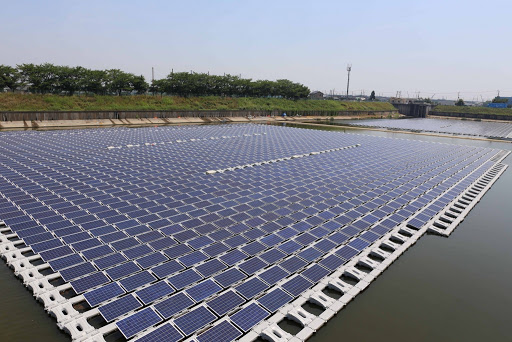
Best For: Coastal areas (salt spray), farmland (fertilizer ammonia), and high-humidity regions.
2. Radically Lightweight
Impact: This reduces shipping costs significantly. More importantly, installation crews can hand-carry components into the field without cranes or forklifts, cutting labor time by 30–50%.
3. Installation Speed ("Plug-and-Play")
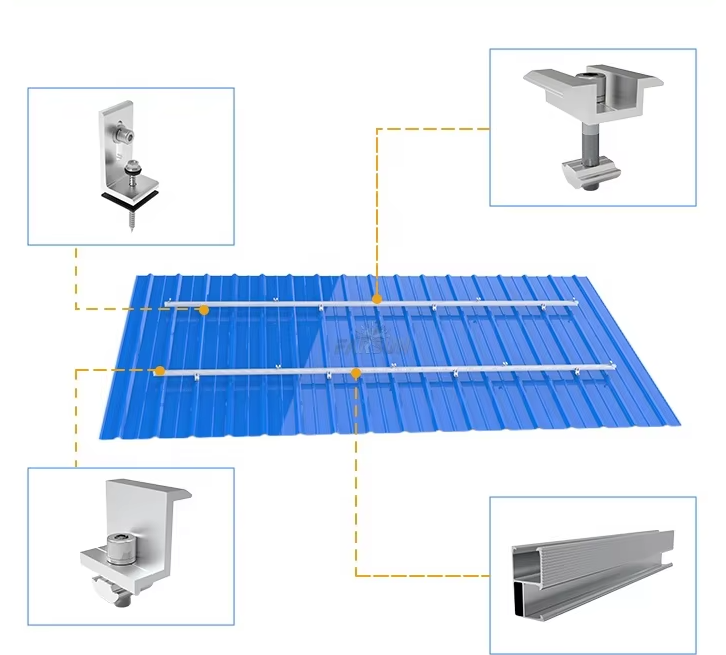
Modern aluminum systems are pre-assembled in factories.
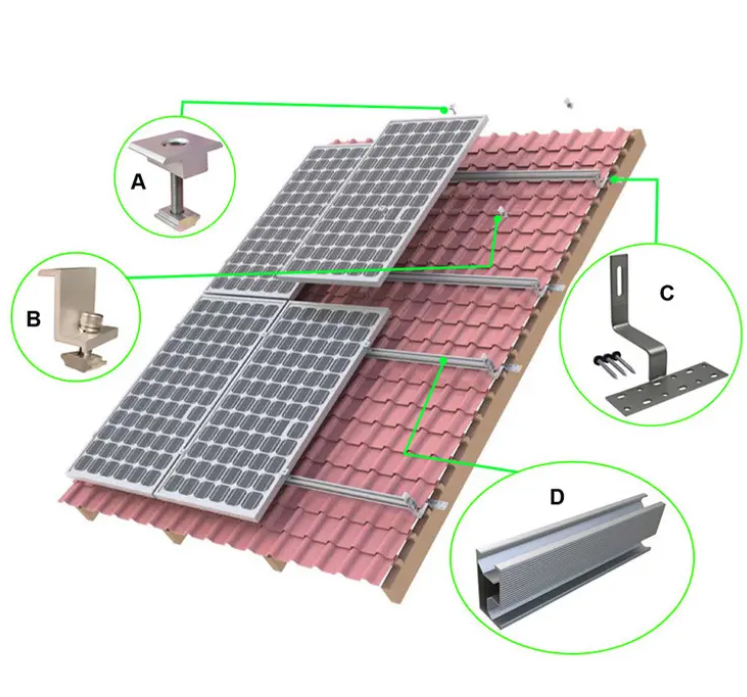
They use bolt-together connections (T-slot nuts) instead of requiring on-site welding. No welding means no grinding, no sparks, no quality control checks for weak welds, and no curing time. You can install a 10kW system in a single day with 2 people.
4. Non-Magnetic & Electrically Conductive
Common Structural Designs
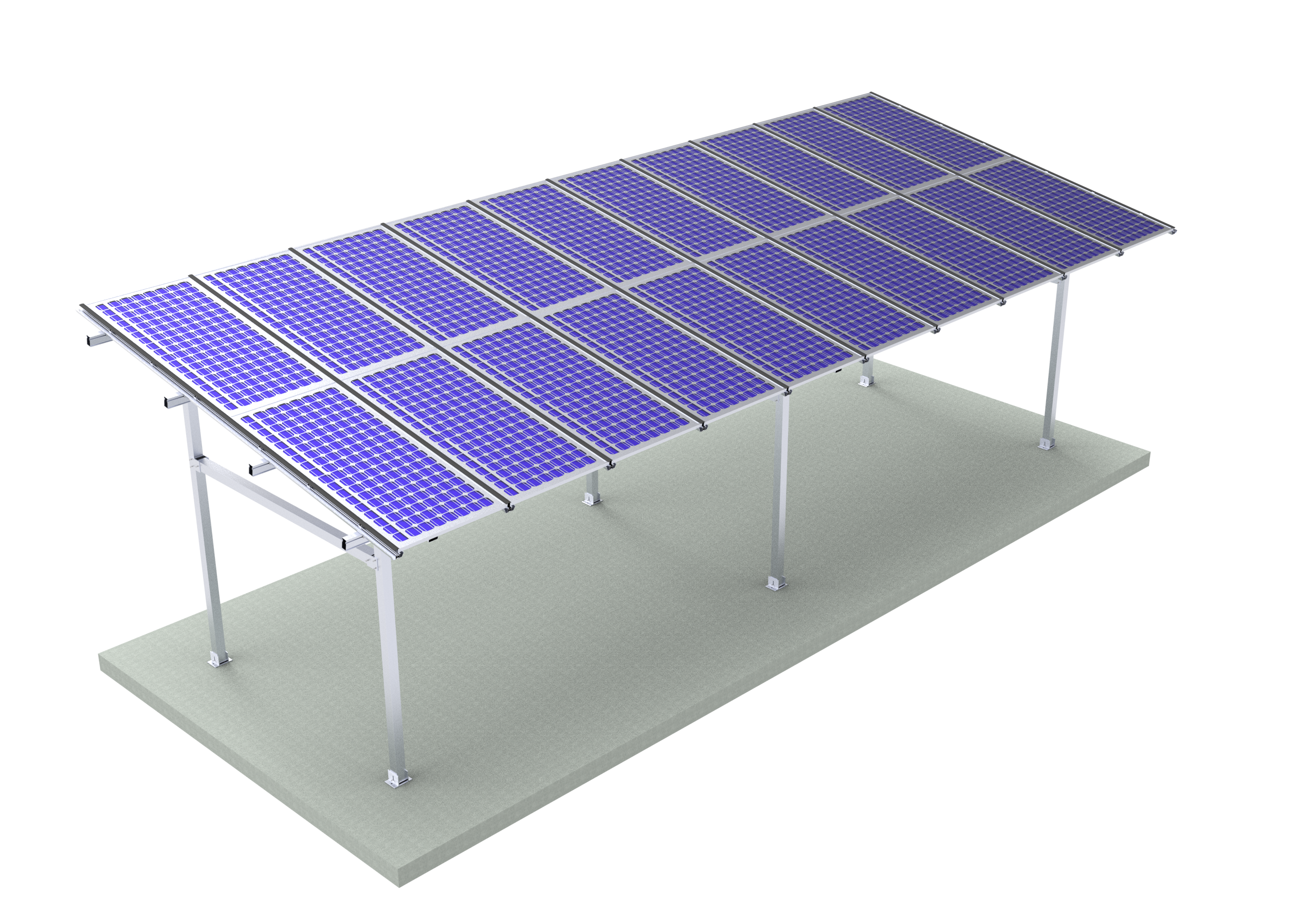
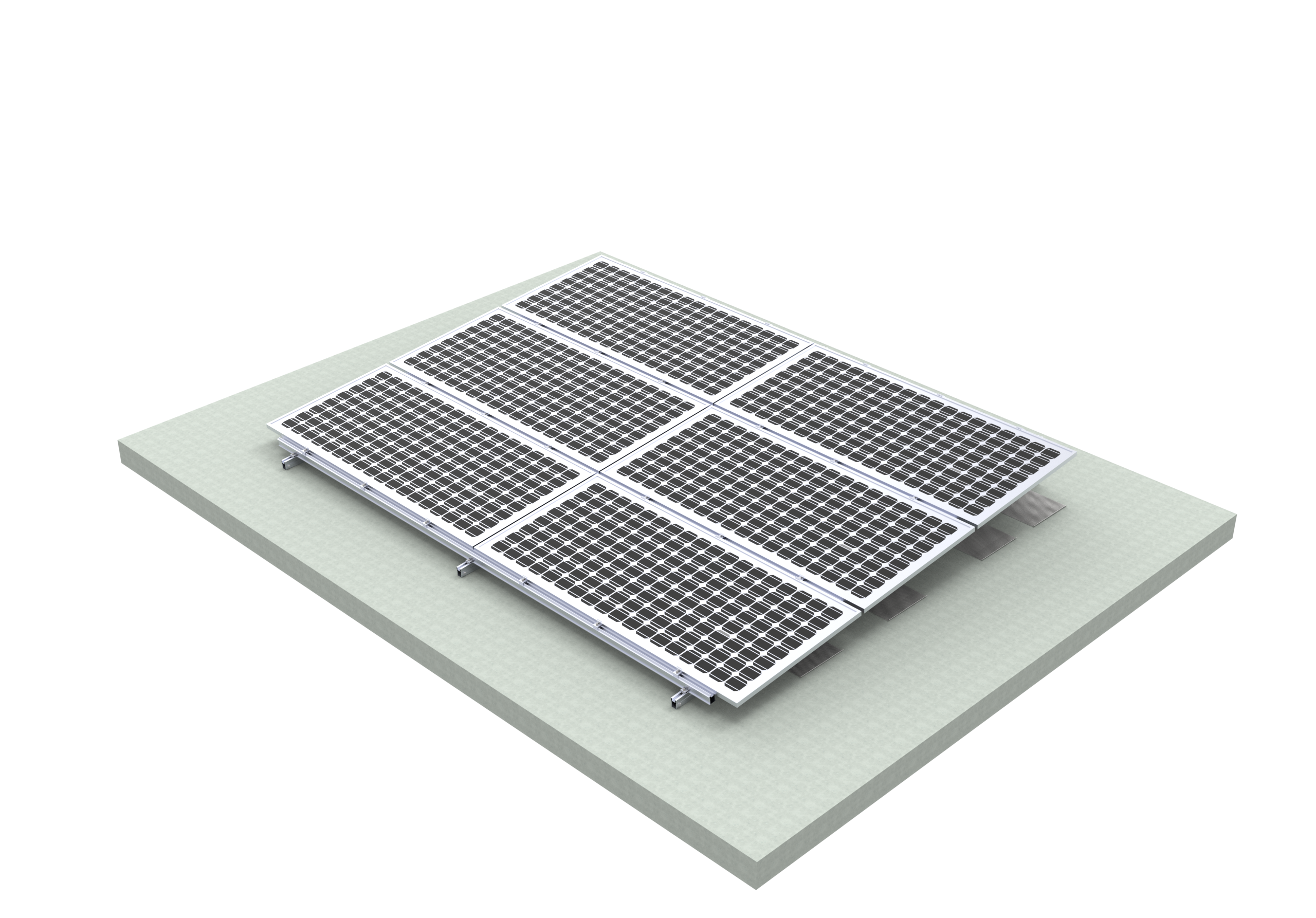
A. Fixed-Tilt (The Most Common)
The array is set at a fixed angle (e.g., 20° or 30°) year-round.
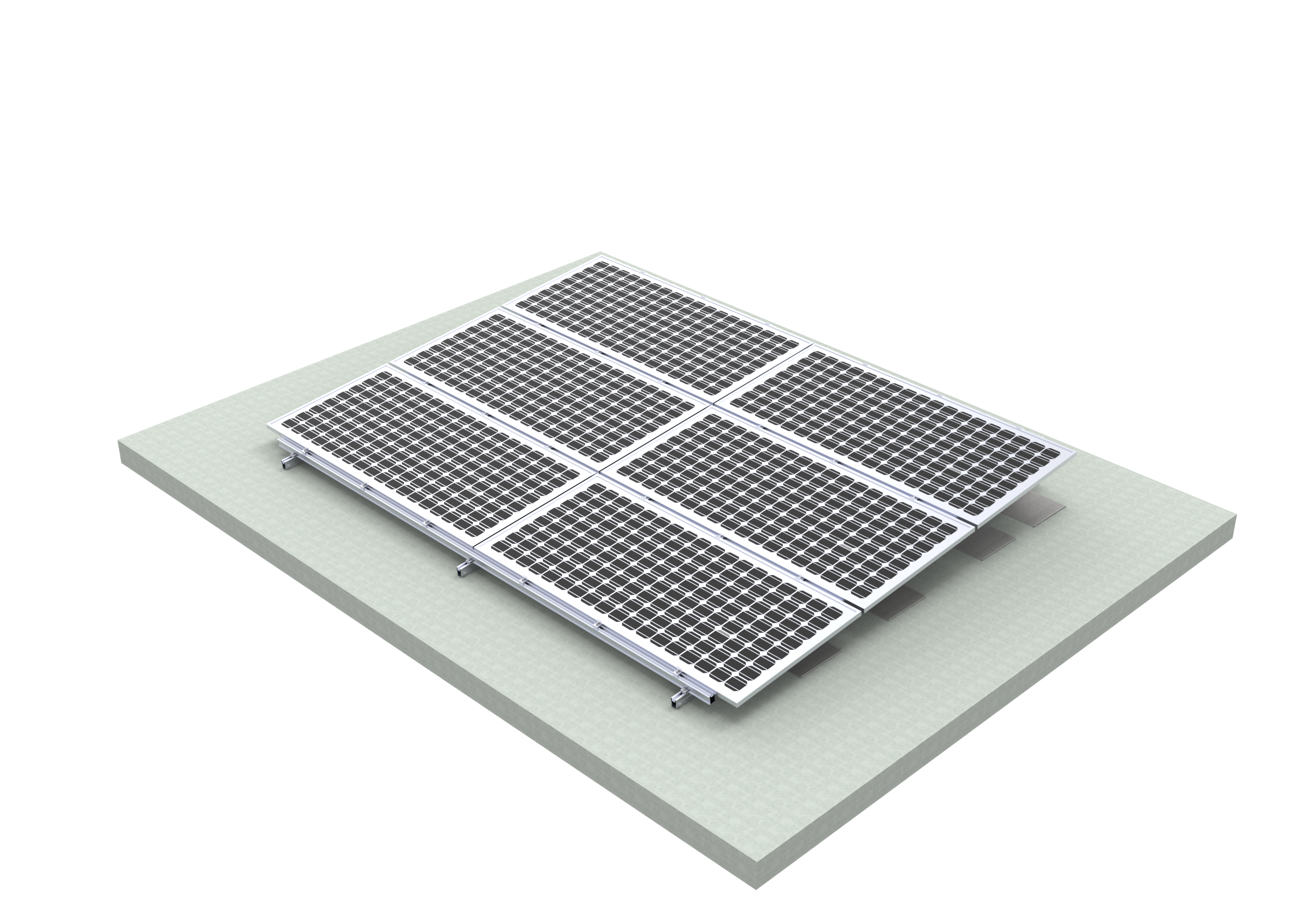
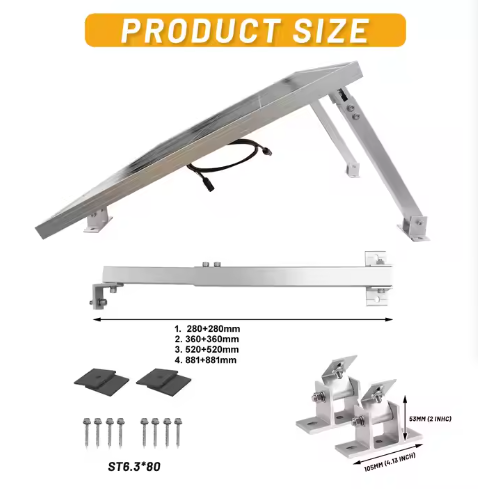
Structure: Usually an A-Frame or V-Frame design for stability.
Pros: Simple, cheapest per-watt, extremely reliable.
Cons: Cannot track the sun.
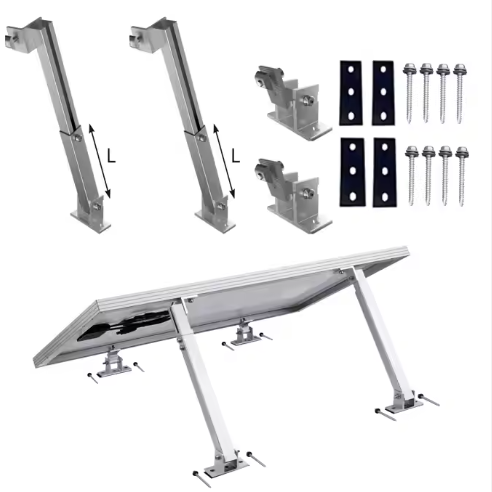
B. Adjustable-Tilt / Seasonal Tilt
Pros: Can gain 5–15% more annual energy yield over fixed-tilt in higher latitudes.
(Note: Full Single-Axis Trackers are rarely made of aluminum due to the torsional stress; they typically require steel cores with aluminum rails).
Critical Installation Considerations
Prevent Galvanic Corrosion: While the structure is aluminum, the foundation screws/piles are often steel. Always use Isolation Pads (PTFE/EVA washers) between the aluminum post and the steel pile plate. Also, use Stainless Steel (SS304/316) bolts, never zinc-plated carbon steel bolts directly into aluminum.
Torque Control: Aluminum threads strip easily. Always use a torque wrench and follow the manufacturer's spec (typically 8–12 N·m for M8/M10 bolts). Over-tightening cracks the oxide layer and can seize the bolt.
Grounding Lugs: Even though aluminum conducts, electrical codes require a dedicated UL-listed grounding lug bonded to the rail, connected to a copper wire that ties into the main ground rod.
When to Specify Aluminum vs. Steel
Project Scenario | Recommended Material | Reason |
|---|---|---|
5MW Farm in Arizona Desert | Hot-Dip Galvanized Steel | Steel is cheaper for high volumes; wind loads are extreme. |
200kW Farm 500m from the Ocean | Aluminum | Salt spray will destroy galvanized steel in <5 years. |
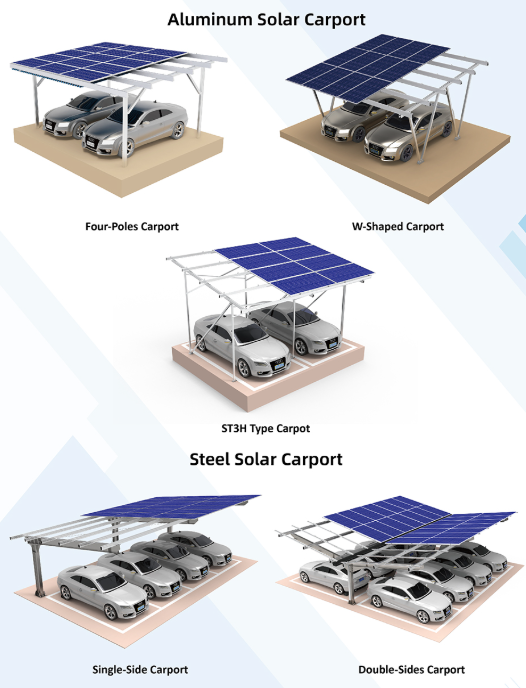
Rooftop Carport (on a warehouse roof) | Aluminum | Roof weight limits are critical; aluminum is lighter. |
Agri-PV (Panels over crops/livestock) | Aluminum | Ammonia from fertilizer/manure is highly corrosive to zinc. |
Remote location, no crane access | Aluminum | Helicopter/cart-in logistics favor lightweight materials. |